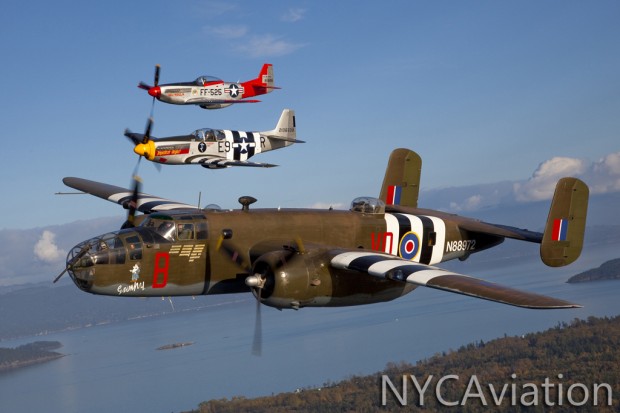
HFF’s B-25 Grumpy and two friends, including the museum’s P-51 Impatient Virgin, fly in tight formation over Western Washington. (Photo by Lyle Jansma)
Since its public debut in May, John Sessions and his Paine Field-based Historic Flight Foundation (HFF) have been out to change the way people experience vintage aircraft. And it’s working.
NYCAviation has been on the ground and in the air experiencing the HFF for several months now. A few weeks prior to publication, we find ourselves on site on a relatively quiet and mundane Saturday morning in December. Seattle’s off-season, when what is normally marginal weather becomes even worse and mixes briefly with the cold, produces a climate that turns many people into weekend hermits destined to read Dostoevsky. But at Paine, while several staff attended to various small jobs like changing out oil pans and setting up a Christmas tree decorated with tiny paper airplanes, a handful of visitors moseyed their way through the heavy wooden door into the spacious hangar and were pleasantly surprised.


A Living Hangar
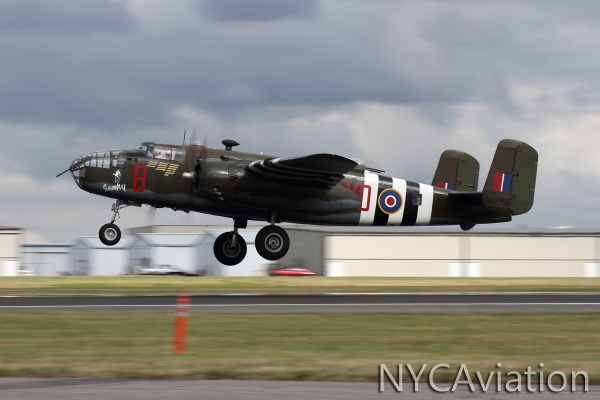
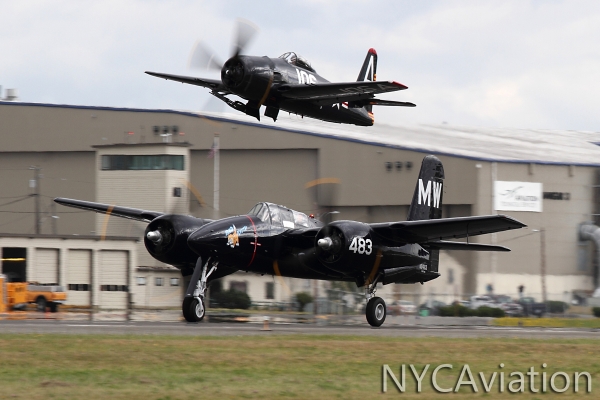
Hangar Kilo 7, named for its location on the field, is filled with eight airworthy vintage aircraft built between 1927 and 1957. The planes represent milestones during what Sessions describes as the real golden period of aviation, the bridge years between Charles Lindbergh’s first transatlantic solo and the introduction of the Boeing 707. The collection includes an Grumman F8F Bearcat, a Waco, a Beechcraft Staggerwing, a B-25, a P-51, a de Havilland Beaver, a Spitfire, and one of only five airworthy Grumman F7F Tigercats in the world. Plans to expand are in the works, and if everything goes right the collection will go on to include a T-6 Texan, DC-3, F-86 Sabre, and a T-33 among others.
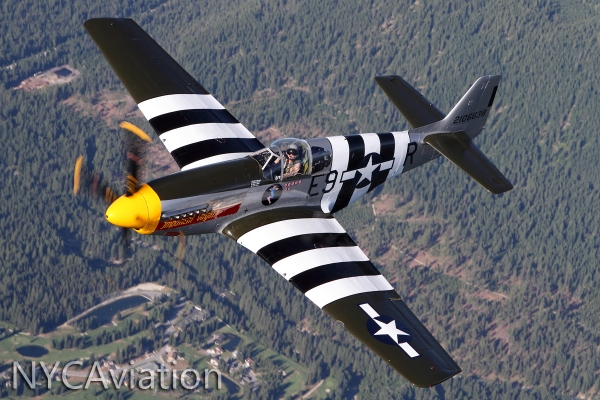
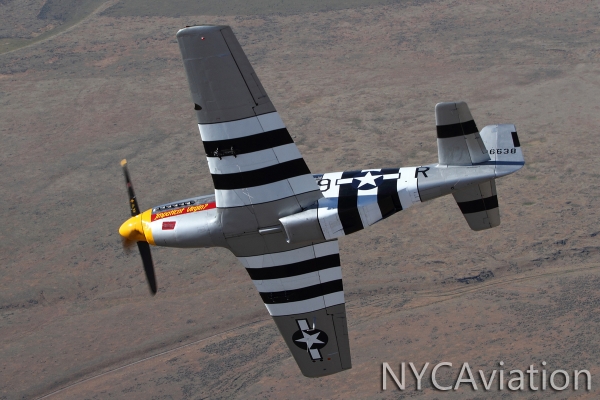
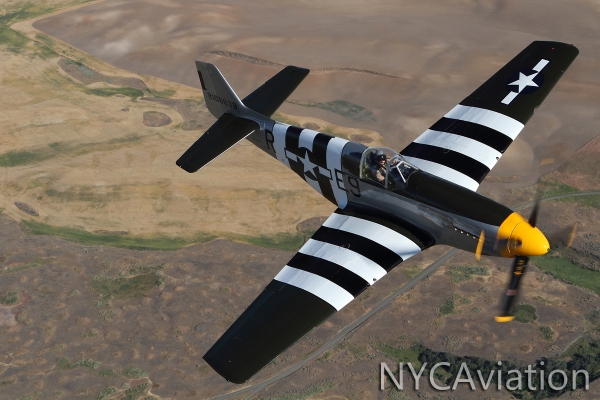
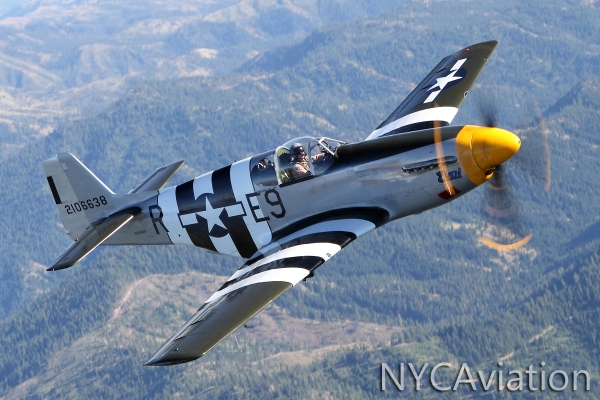
In addition to being historically significant aircraft, all of them have a unique backstory. Their P-51B Impatient Virgin is a great example. Back in June of 1945 Flight Office Wade Ross was out on low-level training mission. What happened from here was never made clear, but it appears the airplane overheated causing Ross to bail out leaving the plane to fend for itself against gravity. Fifty-seven years later in 2002, the aircraft was found and excavated from an English sugar beet field off a tip from a farmhand who had witnessed the crash. Archaeologists obtained permission from the owner to dig up the wreck, with excavation taking nearly three years [check out the full story and others here on their website]. To veteran enthusiasts and aviation history buffs, this museum is a gold mine of increasingly rare and well-maintained aircraft. There’s more to the experience: it’s hands-on.

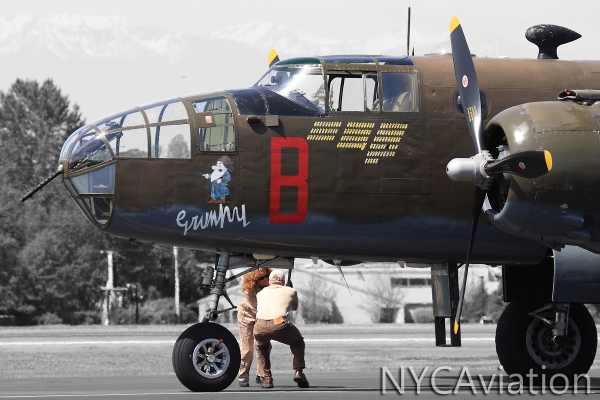
Unlike most aviation museums, including the other two at Paine, the Historic Flight Foundation uses no ropes or barriers to separate the visitor from getting up close and personal with some seriously awesome aircraft. This is probably the first, among many, things to stick out to someone on a visit to HFF for the first time (or the second or third or thirtieth). Few museums allow visitors to ascend a set of vintage 1930s air stairs to poke their heads into an F8 Bearcat cockpit, or to climb up the ladder of a beautifully restored B-25 Mitchell named Grumpy and to shimmy their way into the nose compartment. HFF is not a set of closed-off exhibits to admire from a distance. It’s a collection of art to be experienced, heard, smelled, and not just when the planes are in the hangar.
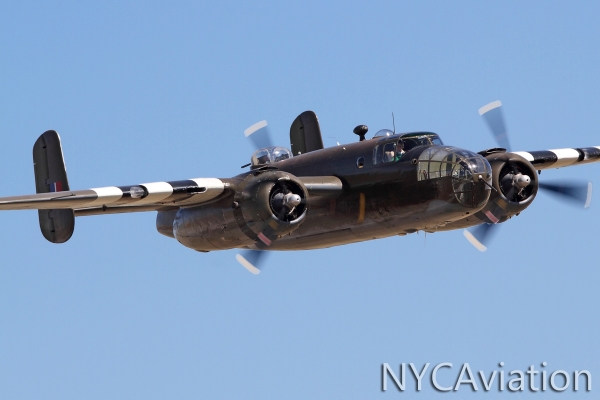
Because all the aircraft are operational, the HFF has to take them out for a spin from time to time. Visitors are allowed to get up to a fairly close yet safe distance as the birds are run up and gotten underway. Here again, proximity to the aircraft is what grabs at you. On any given day you might watch the B-25 or the P-51 start up and head out into the wild blue yonder from a distance close enough to feel propeller blast, something few other museums can offer.